We Buy Surplus XHHW and XHHW-2 Wire Across Ohio
XHHW and XHHW-2 are cross-linked polyethylene conductors, and they turn up in Ohio on feeder reels, service-entrance lengths and underground runs where moisture is a design factor. We buy surplus XHHW in copper and aluminum, single conductor and cut lengths, full reels and opened ones. Send the tag and the footage.
Cross-linked polyethylene is a thermoset
XHHW insulation is cross-linked polyethylene, usually written XLPE. Cross-linking turns the polymer from a thermoplastic into a thermoset, so the insulation does not soften and flow the way PVC does under heat. That is why XHHW holds a 90°C dry rating and still tolerates moisture.
The construction is a single conductor with thermoset insulation and, in most modern stock, a thin nylon or equivalent jacket over it. It is a tougher, thinner-walled insulation than older rubber compounds at the same voltage, which is why it appears in sizes from #14 through 1000 kcmil without a large jump in outside diameter per size class. A reel of a given diameter therefore holds more conductor than an older rubber-insulated equivalent would.
The -2 suffix, and where it earns its place
Plain XHHW is rated 90°C dry and 75°C wet. XHHW-2 is rated 90°C in both wet and dry locations, and that difference is often the whole reason a specifier chose it. Much of what sits on the shelf today is dual marked, so read the legend rather than assuming from the reel color.
Aluminum XHHW is common in the larger sizes, where lower weight per foot makes long pulls practical. Copper XHHW shows up in smaller sizes and where the design calls for it. Where a job mixed the two metals, keep them as separate lots from the start. If a reel is marked XHHW only, say so; we would rather sort it correctly up front than find the marking after the material is loaded.
What to photograph on an XHHW reel
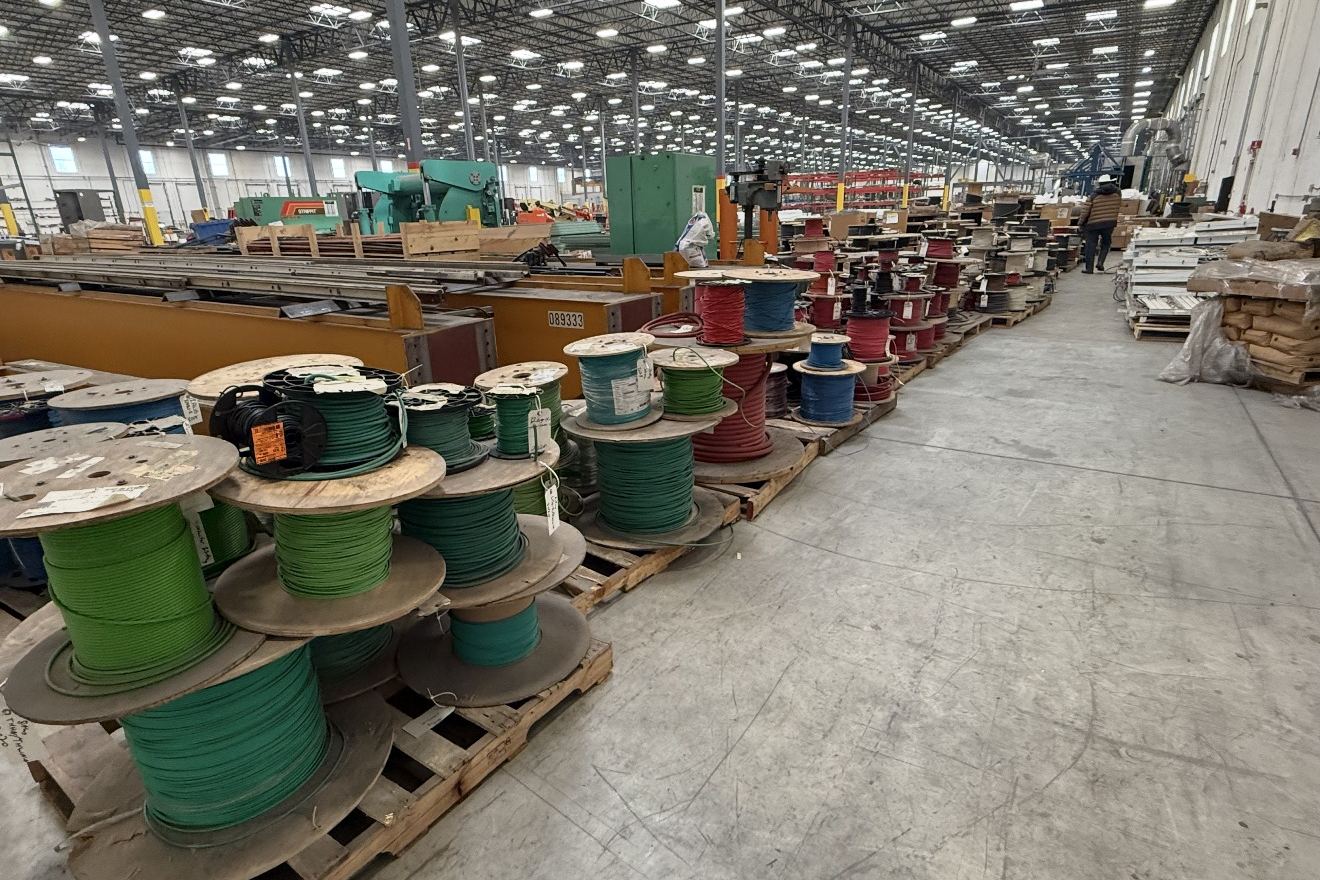
Shoot the tag flat and in focus. The tag normally states the size in AWG or kcmil, the conductor metal, the insulation legend, the voltage class, the strand type and the length. Without a tag, photograph the print on the conductor jacket at reading distance.
Stranding detail matters in the big sizes. Compact and compressed strand are standard there, and the tag usually says which. Note whether each reel holds one continuous length or several cut pieces, because multiple cuts change how the lot is handled. Finish with the count of reels, the approximate footage and the Ohio city where the material is stored.
Quote this material
This form is routed with the category already noted, so the buyer knows what they are looking at before opening the photos.
Full reels, partial reels, coils and cartons are all reviewed. Condition changes the number, not the eligibility.
Quote XHHW / XHHW-2 Wire
Tell us what you have and attach photos of the reels, tags and jacket legends. Fields marked * are required.
XHHW / XHHW-2 Wire questions
What is the difference between XHHW and XHHW-2?
XHHW is rated 90°C dry and 75°C wet. XHHW-2 holds 90°C in both wet and dry locations, and many reels carry both markings on the same print.
How do I confirm sunlight resistance?
Sunlight resistance is a separate marking from the insulation type. Look for it in the jacket print or on the reel tag rather than assuming it from the XHHW designation.
Do you review single-conductor XHHW?
Yes. XHHW is normally a single conductor, so we review single-conductor reels and cut lengths in copper and aluminum as a matter of course.
Selling xhhw / xhhw-2 wire?
Send the wire type, footage, condition and photos of the reels and tags. We review it and come back with pricing and pickup logistics.